image image image image image image

Tag: Coding

STEAM Workshop

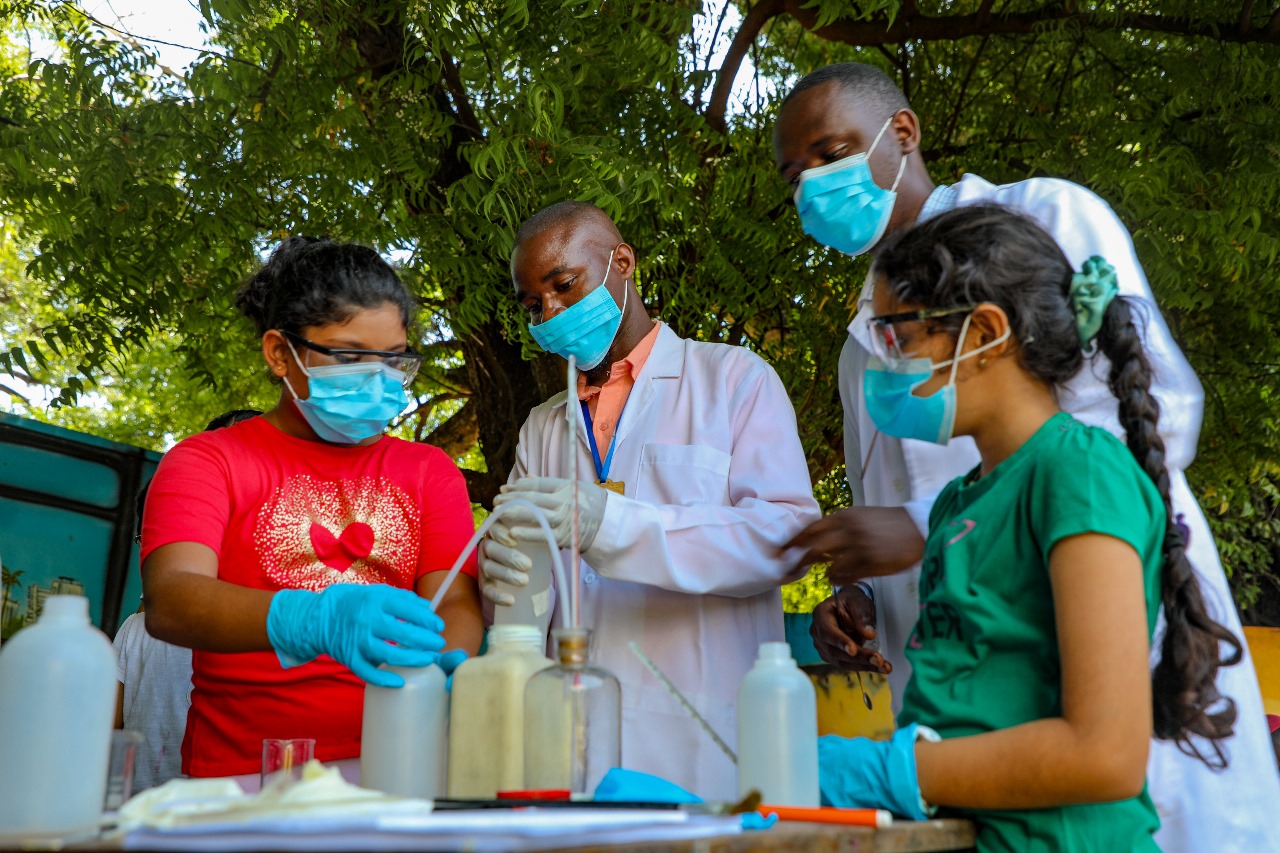
This workshop ran with the theme: Technology in Climate Action. This was both educational and very exciting. We had a simple introduction to environmental conservation, then jumped into coding.   The kids built a game where your tree only grows if you keep perfectly still. After that we shifted gears into hands-on science, exploring how CO₂ affects temperature rise in the environment. The kids ran a reaction using calcium carbonate and HCl, watching it produce water and carbon dioxide, and learning how those gases play out in the real world. We went on a deep dive into electronic components: LEDs, sensors, and microcontrollers. This showed the kids how each piece plays its part in transforming an input into a meaningful output. We then moved into full hands-on innovation where the kids assembled smart garden prototypes using Arduino boards, breadboards, soil-moisture/water meters, and wiring.
Launch of the Humanitarian Coding Club

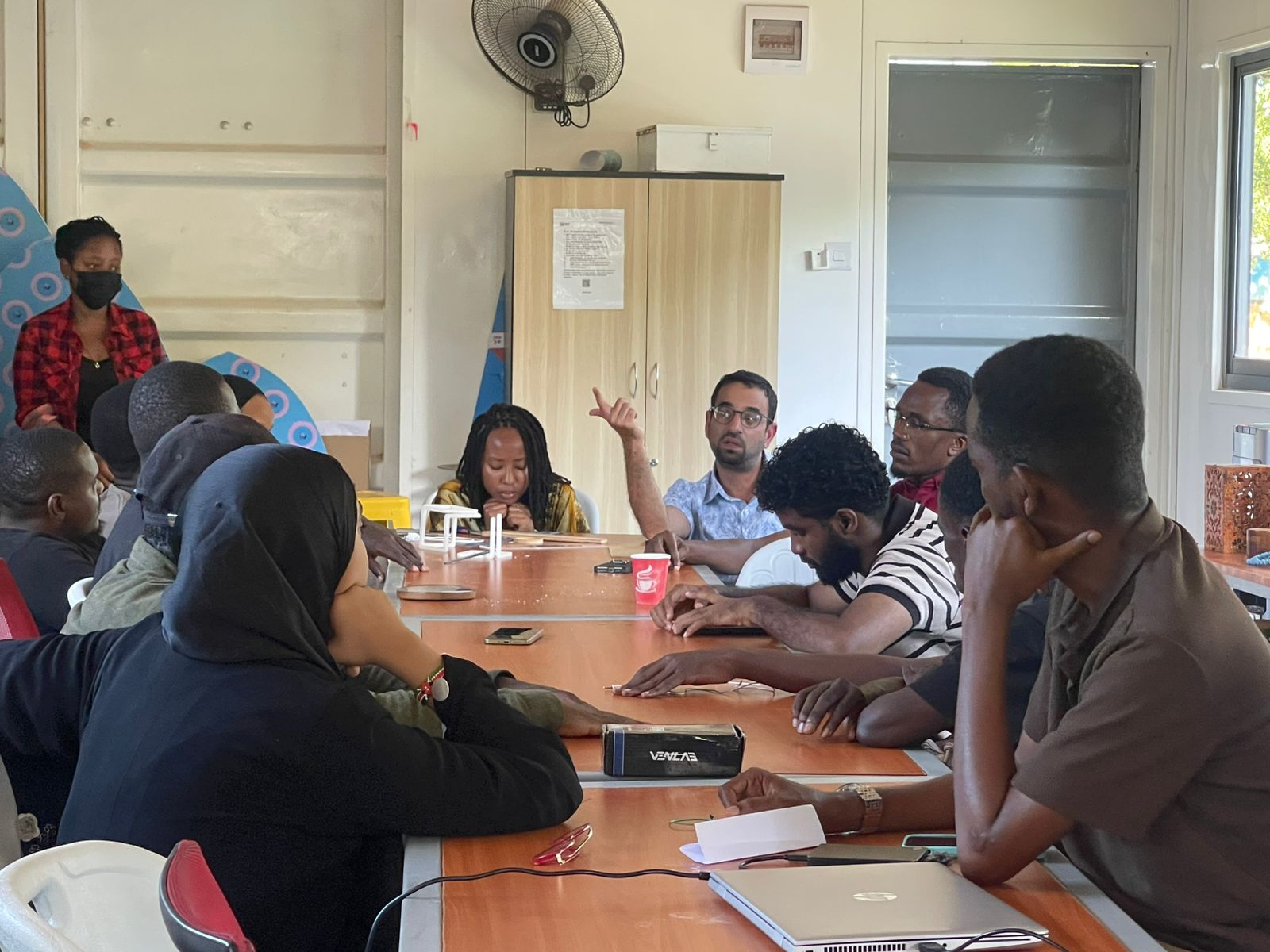
We had the launch of our first Humanitarian Coding Club session in October, at the I.O.Me254 FabLab. The session was graced by the Head of IT and Digital Transformation, accompanied by ICT officers from the Kenya Red Cross Society Headquarters in Nairobi. This came in handy as they got to ask the club members what kind of support they felt they needed from the IT and Digital Transformation departments. This went to show that support can come from far and wide, given that whatever is being produced is something of good quality and high standards. It was exciting to see the flow of ideas coming from our team of devs during our brainstorming session, coupled with future plans for execution. One thing is for sure, they are many opportunities for developing solutions for humanitarian gaps including early warning, emergency response, and overall humanitarian operations systems. This is one strong team we have on-board! With that in mind, we have a bright future filled with exciting inventions coming up ahead.  

Unveiling Flood Detector – Type 2!

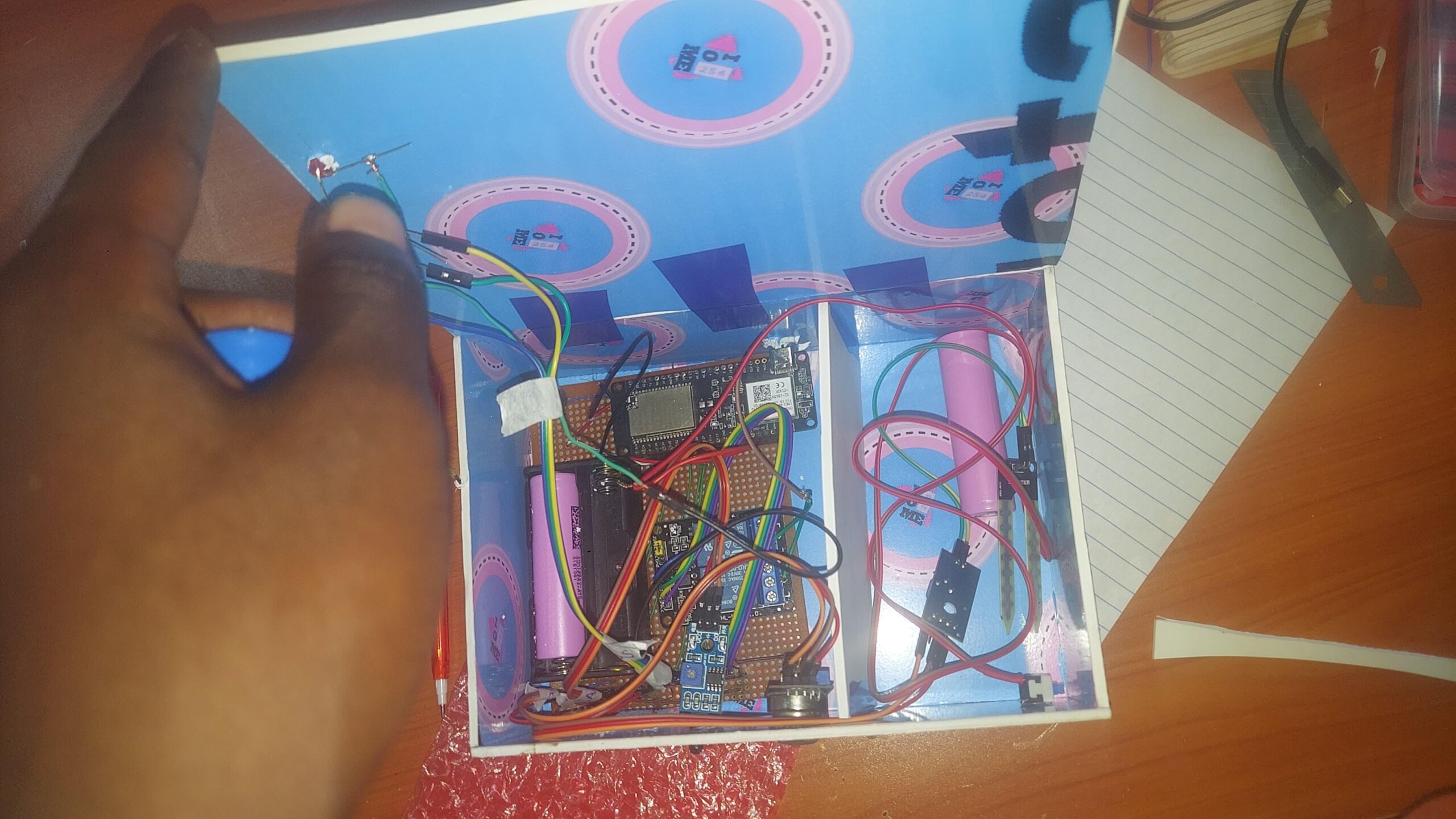
Sit tight, we have news for you! Mercy and Felix, members from the I.O.Me001 FabLab, have created a new flood detector, something that works a little different as compared to the first one. The first flood detector worked by detecting when waterbodies were about to break their banks, whereas this new version has sensors around an area to monitor flash floods during the rainy season. How it works is that sensors will communicate with each other during floods, and if they register the same/similar data they will send out alerts. This is helpful, as this will be able to differentiate between a flash flood and when someone pours a bucket of water on the ground. This new version of the flood detector is more portable as it works using lithium-ion batteries and GSM network vs. the older floor detector that works using solar power and LTE network. The motivation behind this new model came from the flash-floods in Kijabe in 2024. There was wide-spread devastation where families were wiped out and people had to start their lives again from scratch. All of that could have been prevented by an alert system.  

FootPrints Family Workshop : Kwale County

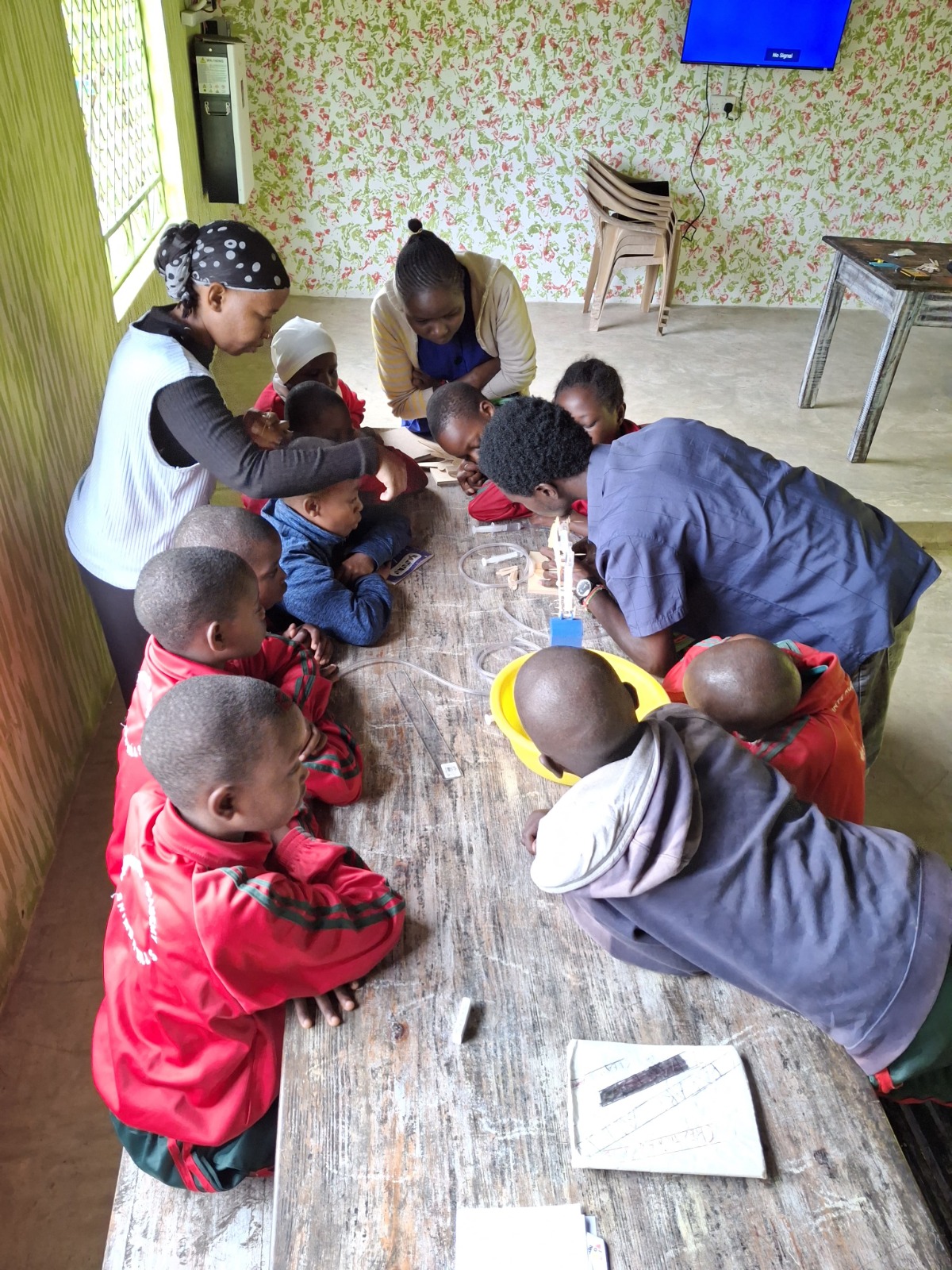
Adding to the FabKids agenda, in the month of July we had a training in Kwale County. We dove into the world of animation and storytelling using Scratch! The kids explored the “Next Customer Please” game and even built their own Space Talk games, all of that completely on their own.           Using the simple materials available around them, the children engineered mini-excavators powered by hydraulics, learning firsthand how pressure and motion work together in real machines. Unlike regular gardens, these smart ones use sensors to detect soil moisture to then automatically water the plants. This has introduced the kids to real-world applications of tech in agriculture.            

image image image image

Let’s Work Together

Want to Innovate and Create?

Collaborate with us